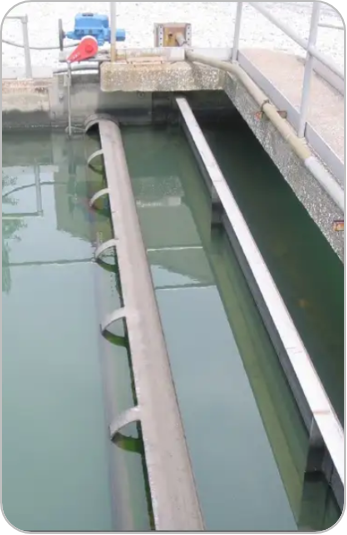
Online Wastewater Monitoring Systems: A Key Solution for Environmental Management in 2025

Introduction
In recent years, illegal wastewater discharge has emerged as a critical environmental concern. To tighten control, the Ministry of Natural Resources and Environment (MONRE) has mandated the installation of continuous automatic (online) wastewater monitoring systems for industrial parks and factories.
This technology represents a sophisticated synergy of high-precision mechanical engineering, analytical sensors, and IoT data platforms. By digitizing data and enabling real-time monitoring, it empowers businesses to mitigate environmental risks while enhancing operational transparency and accountability.
Operating Principle
-
Sampling and Piping System: Treated wastewater is extracted using metering pumps and specialized sampling lines, ensuring the samples reflect the actual water quality.
-
Multi-parameter Analytical Sensors: Advanced sensors continuously measure key indicators, including pH, COD, BOD, TSS, DO, Ammonium, and Nitrate.
-
Data Processing and Transmission: A Central Control Unit (Datalogger) collects and stores the data, transmitting it directly to the Department of Natural Resources and Environment (DONRE) in real-time via 4G/Internet connectivity.
-
Instant Alert System: Should any parameter exceed the pre-set threshold, the system triggers immediate alerts to both the enterprise's management and regulatory authorities for prompt intervention.
Key Mechanical and Analytical Components
-
Dissolved Oxygen (DO) Sensor: Ensures optimal oxygen levels in aerobic tanks to maintain microbial activity for organic matter degradation.
-
pH Sensor: Continuously monitors acidity/alkalinity to facilitate precise chemical dosing and protect biological treatment stages.
-
Total Suspended Solids (TSS) Sensor: Utilizes light-scattering technology to evaluate turbidity and the efficiency of the sedimentation/filtration process.
-
Online COD/BOD Sensors: Leverages UV-Vis optical technology for instantaneous measurement, eliminating the delays associated with manual lab testing.
-
Automatic Sampler: Constructed from high-grade stainless steel to ensure durability and corrosion resistance; features refrigerated storage for composite sampling and regulatory verification.
2025 Monitoring Technology Trends
-
AI & Big Data Integration: Modern systems have evolved beyond simple measurement. They now utilize predictive analytics to identify trends and forecast potential discharge violations based on historical data and real-time fluctuations.
-
Smart Sensors with Auto-Calibration: Next-generation sensors feature self-cleaning and self-calibration capabilities. This innovation significantly reduces maintenance costs, minimizes manual intervention, and ensures long-term analytical precision.
-
Latest Regulatory Updates & Industry Insights:
-
Mandatory Compliance: Effective January 1st, 2025, 100% of industrial parks in Vietnam are required to install online wastewater monitoring systems with 24/7 data transmission to the Ministry of Natural Resources and Environment (MONRE).
-
FDI Leadership: Leading FDI enterprises in Bac Ninh and Binh Duong have already invested over 10 billion VND in advanced monitoring infrastructures, leveraging AI-integrated platforms for comprehensive remote oversight.
-
Strategic Benefits for Enterprises
-
Strict Regulatory Compliance: Ensures adherence to environmental laws, eliminating the risks of heavy fines or operational suspension.
-
Transparency & Corporate Reputation: Digitalized environmental data fosters trust with stakeholders, investors, and regulatory bodies through verifiable transparency.
-
Operational Cost Optimization: Automated monitoring reduces labor-intensive manual sampling and allows for precise chemical dosing, lowering overall treatment costs.
-
Proactive Risk Management: Early detection of fluctuations in effluent quality enables prompt corrective actions before any non-compliant discharge occurs.
-
Competitive "Green" Advantage: A robust monitoring system serves as a key asset in meeting ESG criteria, helping businesses penetrate demanding international markets like the EU and the US.
Key Challenges to Overcom
-
High Initial Capital Expenditure (CAPEX)
-
Specialized Technical Workforce
-
Rigorous Maintenance and Calibration
Conclusion
Online wastewater monitoring has emerged as an inevitable trend, evolving in tandem with the digital transformation of the environmental sector. More than just a matter of regulatory compliance, it serves as a "shield" for sustainable growth, demonstrating an enterprise's commitment to transparency and social responsibility.
In the coming years, as AI and IoT technologies reach full maturity, these systems will transcend their role as passive "monitoring" tools. They are set to become intelligent engines for "prediction" and "optimization," empowering businesses to proactively manage and perfect their entire environmental treatment processes.
Những tin mới hơn
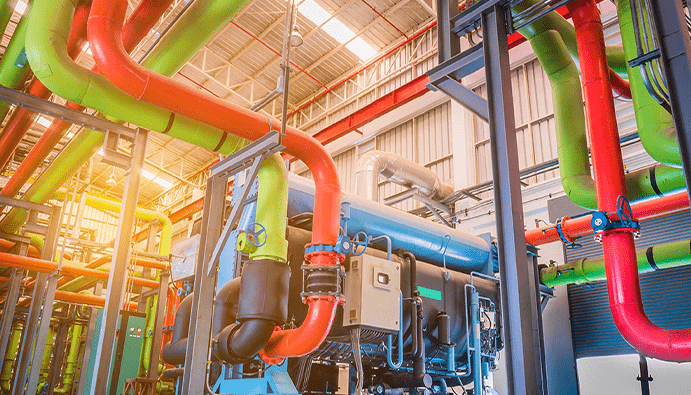
Mechanical Equipment & Online Monitoring: Comprehensive Environmental Solutions for 2025
In the face of climate change and increasingly stringent legal pressure, wastewater treatment and control are no longer optional—they are vital responsibilities for every enterprise. Recent illegal discharge incidents have become a critical concern, prompting the Ministry of Natural Resources and Environment (MONRE) to enforce stricter sanctions.To meet this reality, the synergy between high-precision mechanical equipment and online wastewater monitoring systems has become the "golden key" for businesses to achieve sustainable growth and protect our green planet.
Tin xem nhiều
Key Updates: Decree 05/2025/ND-CP vs. Decree 08/2022/ND-CP
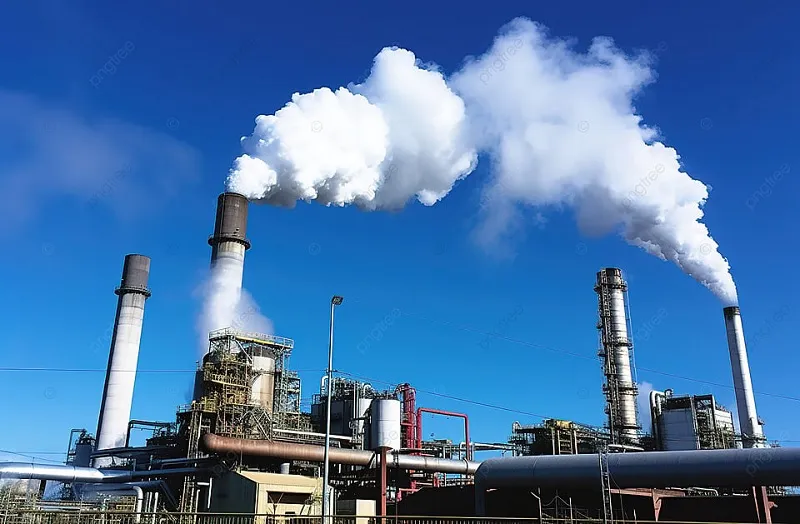
Industrial Exhaust Gas Treatment: Comprehensive Solutions for Businesses and the Environment in 2025

Application of Mechanical Technology in Wastewater Treatment: Solutions for Modern Enterprises
Mechanical Equipment & Online Monitoring: Comprehensive Environmental Solutions for 2025

Chocolate Production and Its Environmental Impact

Vietnam Reduces 240 Million Tons of CO2e Emissions
Treatment of Natural Water Sources
Advanced Wastewater Treatment Workflow and Contaminant Removal Efficiency
Expatriates Leave Hanoi Due to Severe Air Pollution