Chocolate Production and Its Environmental Impact

According to the research, deforestation is not the only environmental toll of chocolate. Researchers are now analyzing the entire life cycle of chocolate—from production and transportation to packaging. This method, known as Life Cycle Assessment (LCA), allows for the identification of environmental "hotspots" throughout the supply chain.
Cocoa is the essential ingredient in all chocolate. Although some companies are increasingly using alternatives to palm oil, it still appears in many products to create a smooth texture. Meanwhile, soy is used in the form of soy lecithin, a derivative that assists in the molding process.
Côte d'Ivoire and Ghana are the world's primary cocoa producers, accounting for approximately 60% of the global supply. However, this may change in the coming years due to climate change and soil depletion.

Cocoa plantations have consumed vast areas of forest in both of these African nations. Ghana has lost about 65% of its forest cover, and Côte d'Ivoire has lost more than 90% over the past thirty years, much of which is linked to cocoa, according to reports from the NGO Mighty Earth. The World Bank estimates that only about 9% of Côte d'Ivoire’s forest remains, down from 20% in 1995. The World Cocoa Foundation, an industry group, agrees that a "significant portion" of this loss is related to the expansion of cocoa farms.
Kerry Daroci, cocoa lead at the Rainforest Alliance, told Mongabay: “One of the main reasons for such high degradation rates is the conversion of forest areas (including protected areas) into cocoa plantations, which accounts for 38% of the direct cause of deforestation.”
Samuel Mawutor, a senior advisor at Mighty Earth, noted that while not all deforestation is caused by cocoa, low yields and low prices (forcing farmers to plant more) contribute to expansion into forested regions. "There is pressure on farmers to expand farm sizes so they can earn more from cocoa production," he explained.
A 2021 study estimated that about 20% of cocoa farms in Ghana and Côte d'Ivoire are located within protected areas. Despite regulations, "cocoa from all these places still finds its way into the supply chain. There is no way to eliminate any of it," Mawutor declared.
In 2018, researchers estimated that the UK chocolate industry emits approximately 2.1 million tons of CO2e equivalent per year. The main hotspots identified were raw materials, chocolate production, and packaging.
Adisa Azapagic from the University of Manchester stated that impacts come not only from cocoa, soy, and palm oil but also from ingredients like milk powder and sugar. It is estimated that every kilogram of chocolate produced emits about 3.8 kg of CO2e. Packaging often accounts for 10% of these emissions, but that figure can rise to nearly 30% depending on the materials used.
Even after chocolate is consumed, its environmental journey continues. Caffeine, a natural component of chocolate, is excreted from the body and enters waterways through wastewater, where it is only partially removed.
Caffeine is considered an “emerging contaminant of concern.” Our global appetite for chocolate, combined with coffee habits, is increasing this toxic burden on aquatic species and ecosystems in ways that remain largely unexamined.
It is clear that chocolate does more than just bring a smile to our faces; it impacts the broader world we inhabit. Experts suggest that agroforestry and organic systems could reduce chocolate's production footprint. However, as researcher Armengot concluded: “We need to change the agri-food model. Globalized food should be the exception, not the norm on our plates.”
Tác giả: AISVy
Những tin cũ hơn
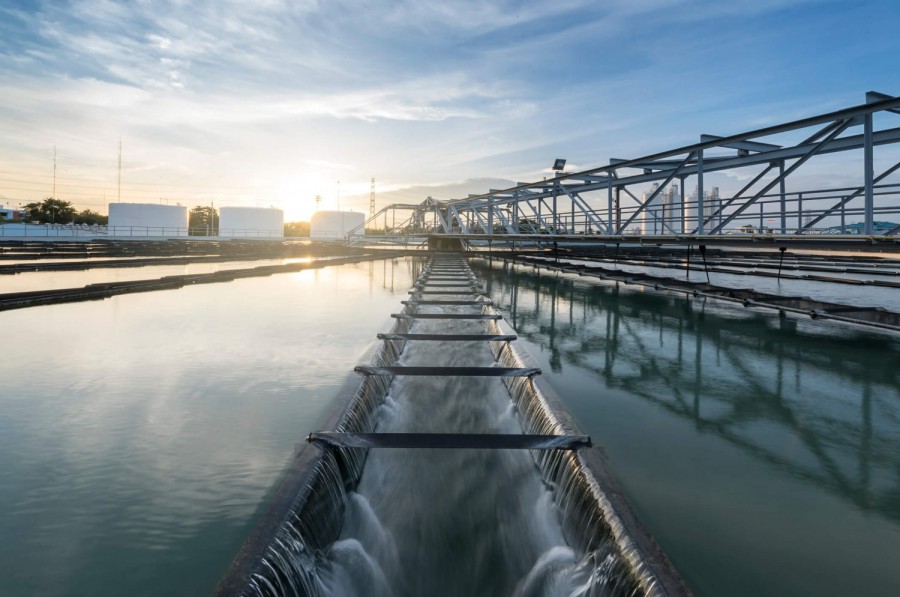
Treatment of Natural Water Sources
Water treatment is the process of treating raw water through a specialized system to remove mineralized components, impurities, sediments, and microorganisms that are harmful to human health. After treatment, the purified water is distributed through water supply stations before being delivered to residential areas, commercial enterprises, and manufacturing plants.
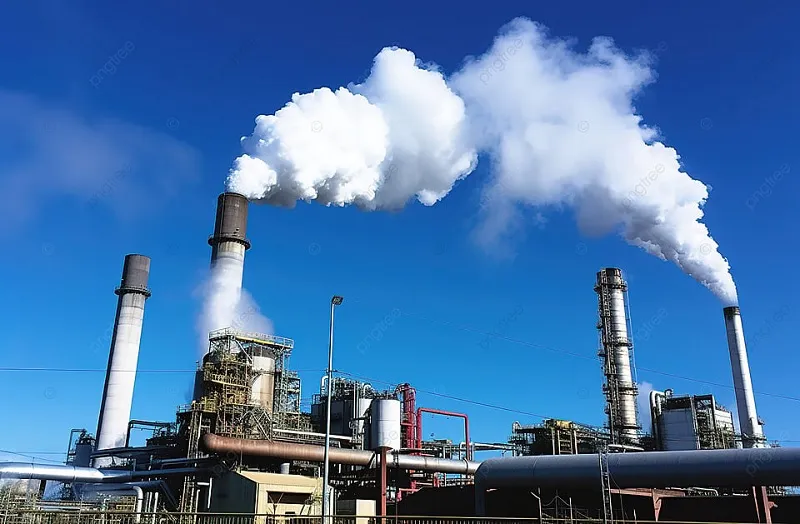
Industrial Exhaust Gas Treatment: Comprehensive Solutions for Businesses and the Environment in 2025
Exhaust gas treatment is not merely a legal obligation; it is a vital "shield" protecting public health and corporate reputation. As environmental regulations become increasingly stringent, finding an advanced yet cost-effective emission control system is a top priority for sustainable development.Explore the modern treatment technologies offered by ETM below to help your business operate sustainably and safely!
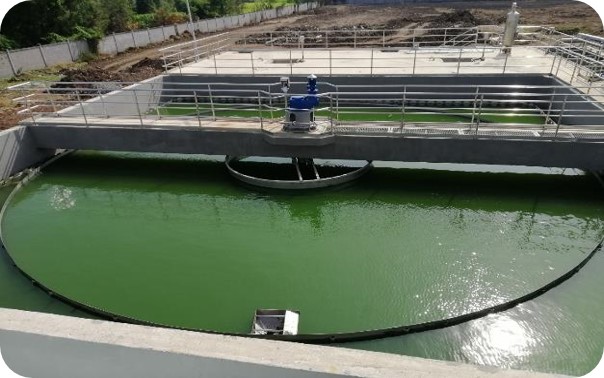
Advanced Wastewater Treatment Workflow and Contaminant Removal Efficiency
Hands-on with the DJI Osmo 360 (Rumored): DJI's first 360° camera featuring groundbreaking specs such as 8K 50fps video, dual 1-inch HDR sensors, and up to 100 minutes of continuous recording
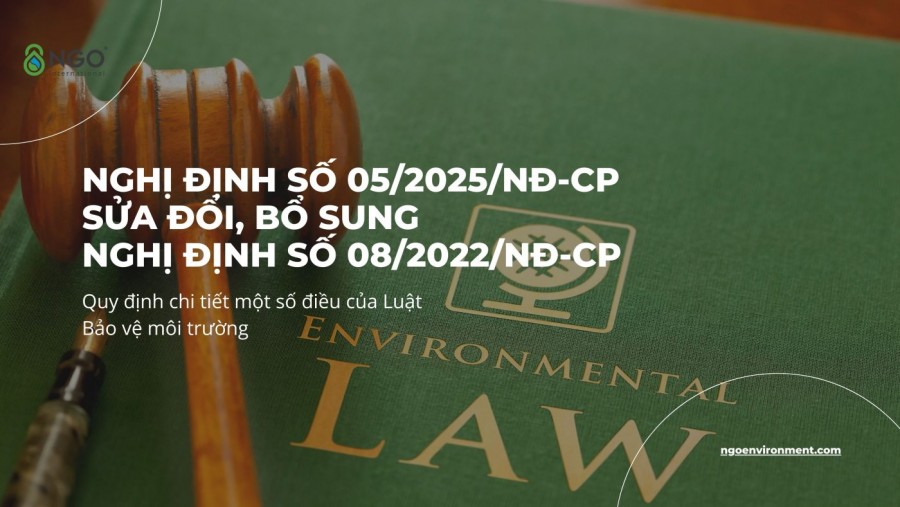
Key Updates: Decree 05/2025/ND-CP vs. Decree 08/2022/ND-CP
On January 6, 2025, the Government issued Decree No. 05/2025/ND-CP, amending and supplementing several articles of Decree No. 08/2022/ND-CP. Below is a summary of the new points in Decree 05 compared to Decree 08 regarding environmental protection.
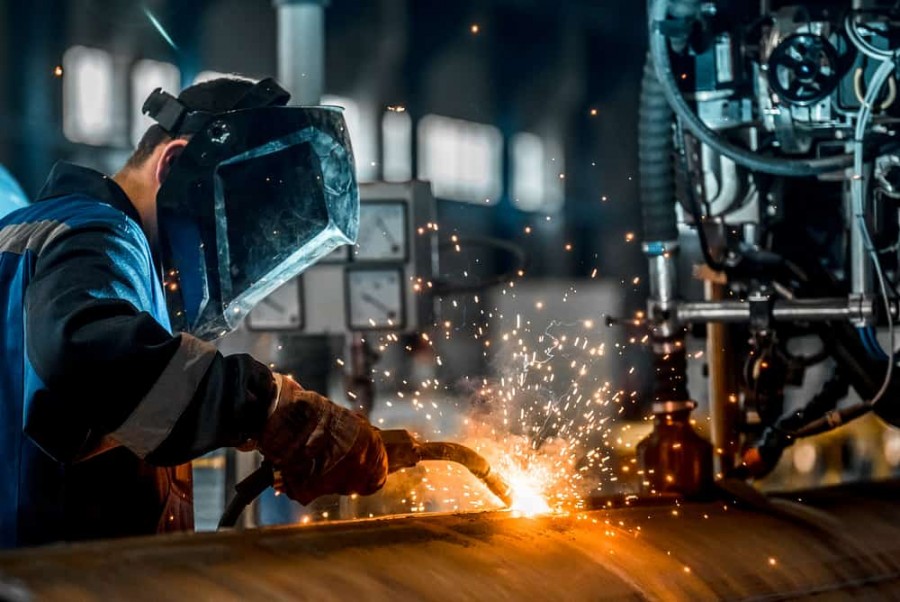
Application of Mechanical Technology in Wastewater Treatment: Solutions for Modern Enterprises
The application of modern mechanical technology in wastewater treatment helps businesses save costs, meet environmental standards, and improve production efficiency.
Những tin mới hơn
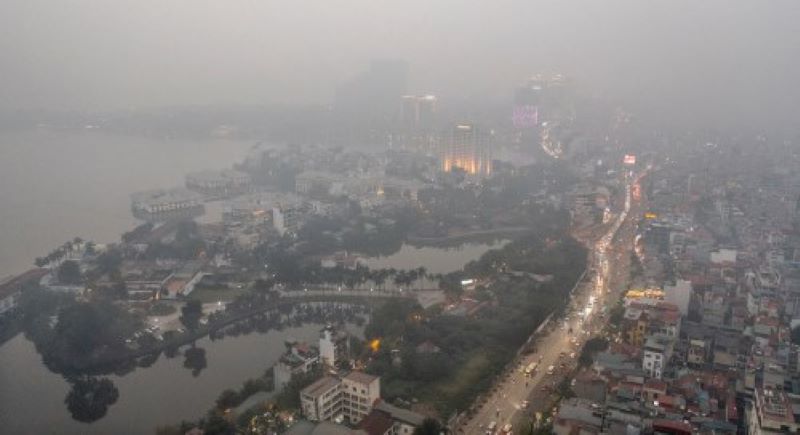
Expatriates Leave Hanoi Due to Severe Air Pollution
Despite an 8-year bond and a deep love for Hanoi, William Gray eventually moved his entire family away, unable to endure an atmosphere "thick with vehicle exhaust and the stench of burning plastic."
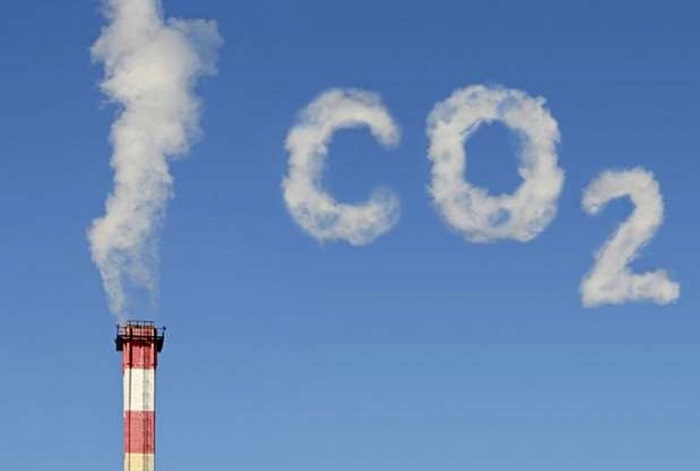
Vietnam Reduces 240 Million Tons of CO2e Emissions
In the context of rapid industrialization and urbanization, issues regarding emission treatment and ventilation in factories, mines, buildings, and industrial parks have become extremely urgent. One of the widely applied environmental engineering solutions is the industrial Axial Fan.
Tin xem nhiều
Key Updates: Decree 05/2025/ND-CP vs. Decree 08/2022/ND-CP
Industrial Exhaust Gas Treatment: Comprehensive Solutions for Businesses and the Environment in 2025
Application of Mechanical Technology in Wastewater Treatment: Solutions for Modern Enterprises

Online Wastewater Monitoring Systems: A Key Solution for Environmental Management in 2025
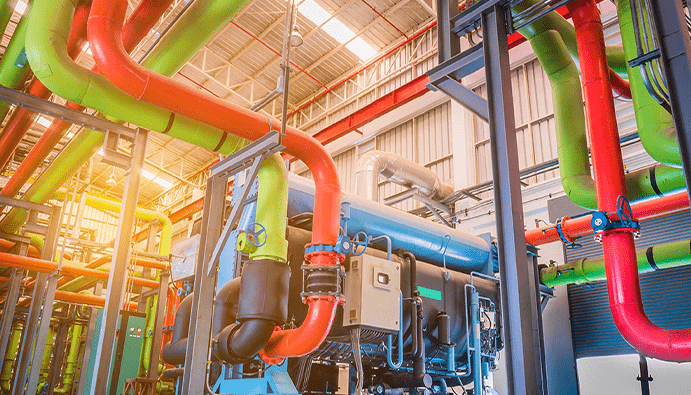
Mechanical Equipment & Online Monitoring: Comprehensive Environmental Solutions for 2025
Vietnam Reduces 240 Million Tons of CO2e Emissions
Treatment of Natural Water Sources
Advanced Wastewater Treatment Workflow and Contaminant Removal Efficiency
Expatriates Leave Hanoi Due to Severe Air Pollution