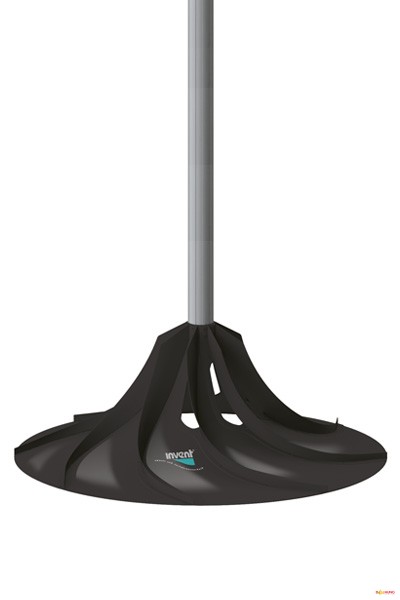
- Product Information
- Technical Specifications
- Document and Questionnaire of Products
- Related Products
Q&A
Can a cyclone dust collector remove fine dust such as PM2.5?
-> A cyclone dust collector primarily separates larger dust particles using centrifugal force. It is not effective for fine particles like PM2.5. To remove PM2.5 efficiently, a bag filter or electrostatic precipitator should be used after the cyclone stage
What is the average lifespan of a submersible mixer in wastewater treatment?
-> A high-quality submersible mixer typically lasts between 5 to 10 years, depending on material quality, operating conditions, and maintenance frequency. Using stainless steel materials and regular servicing can extend the mixer’s lifetime
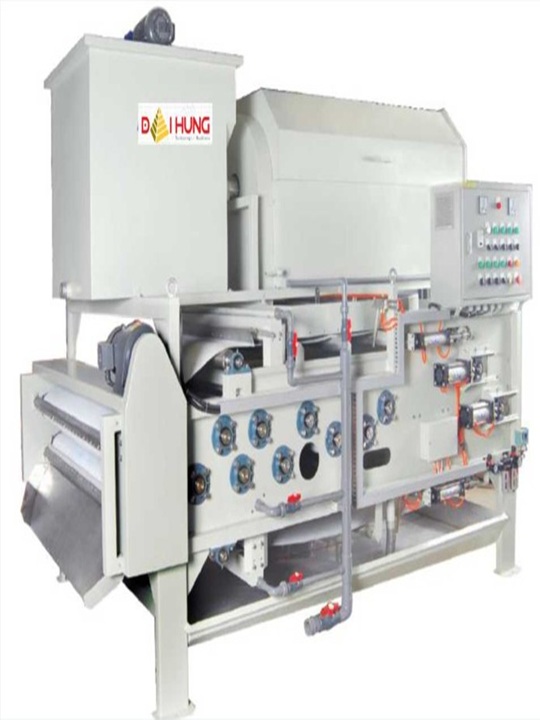
How much sludge can a belt filter press process per day?
-> A belt filter press can process between 5 to 50 cubic meters of sludge per day, depending on sludge concentration, belt width, and machine capacity. Proper conditioning and polymer dosing improve dehydration efficiency
Can a DAF (Dissolved Air Flotation) tank remove oil and grease from food wastewater?
-> Yes, a DAF system is highly effective in separating oil, grease, and suspended solids from food-processing wastewater. By injecting microbubbles, it floats contaminants to the surface for removal, improving overall treatment efficiency
APPLICATIONS
-
For industrial production and irrigation water.
-
Wastewater reuse for production water.
-
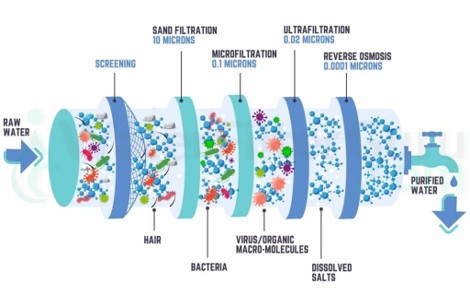
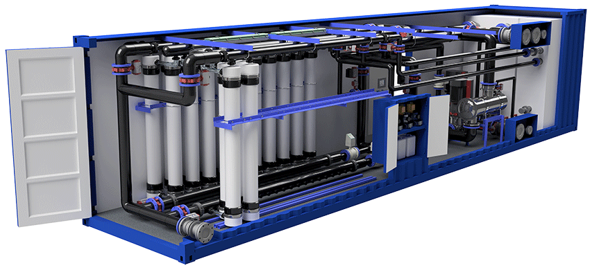
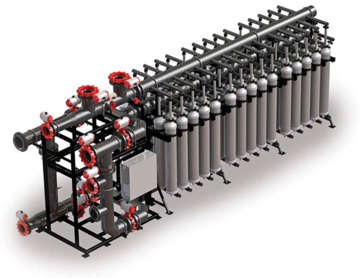
Filtration Size: 0.1 – 0.01 μm
-
Installation: Compact, small footprint.
-
Operation: Simple.

UF Membranes in Water Treatment
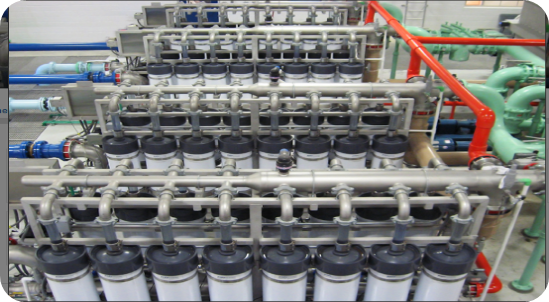
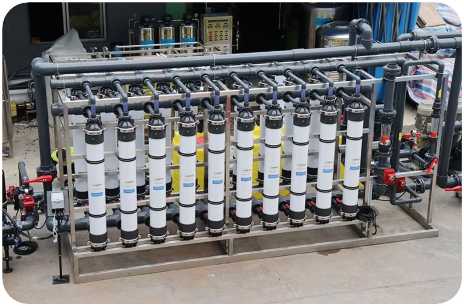
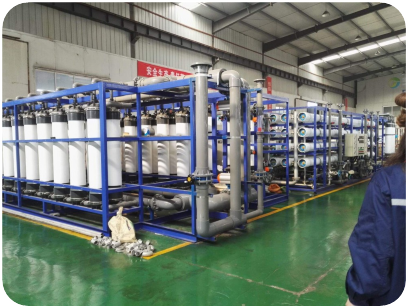
UF Membranes for Potable Water Treatment